Loading...
Serving El Centro, CA and surrounding areas. (760) 997-7010
Your slab has dropped and your floors are uneven. We lift and level concrete foundations across El Centro using methods built for Imperial Valley soil conditions, so you get a safe surface without the cost of a full replacement.
Foundation raising in El Centro lifts a sunken or tilted concrete slab back to its original level by pumping material beneath it to fill the void underneath, most jobs are completed in a single day and you can walk on the surface the same day work finishes.
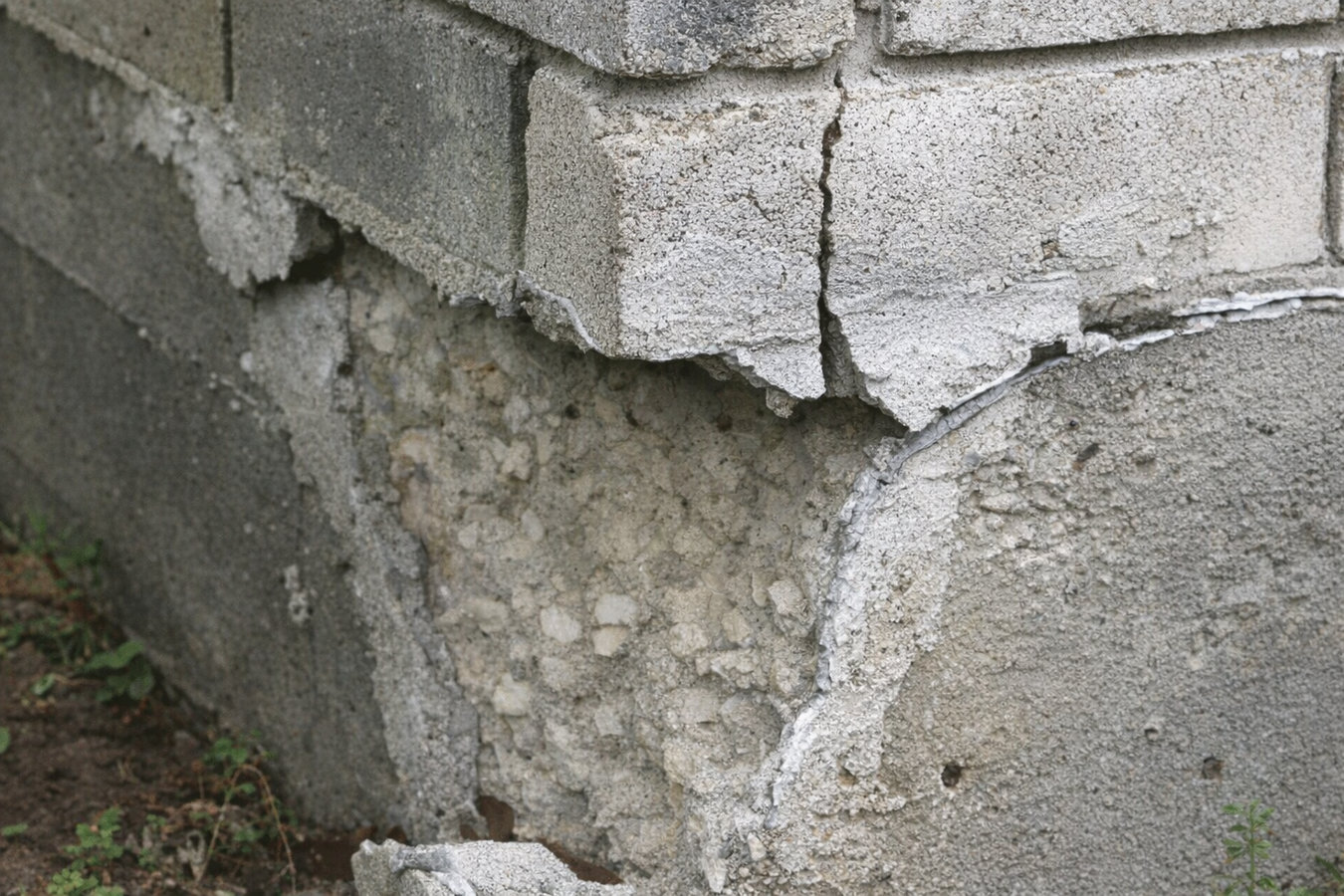
If you live in El Centro, the Imperial Valley's clay-heavy soil is almost certainly what caused your slab to drop. This soil expands when it absorbs water and shrinks dramatically when it dries - and in a climate where summer temperatures regularly top 110 degrees with less than three inches of rain per year, that cycle repeats constantly. The soil pulls away from the underside of the slab and leaves a void, then the concrete tilts or drops into that space. Homeowners dealing with settled slabs often need to look at related work like slab foundation building for sections too damaged to save, or concrete cutting when a damaged panel needs to be removed before a new pour.
We have worked on foundation raising projects across El Centro since 2023, from sunken driveways to garage floors to the exterior slabs around homes in the city's older neighborhoods.
If a ball rolls on its own across a room, or furniture seems to tilt slightly, the slab beneath your floor may have shifted. In El Centro's clay soil, this kind of gradual settling is common and tends to get worse over time if left alone. It is worth having a contractor look before the gap underneath grows larger.
When a slab moves, the walls above it move too - and the first place that stress shows up is usually at the corners of door frames and windows. If you see diagonal cracks radiating from those corners, especially after a dry summer or a period of heavy irrigation nearby, that is a signal worth taking seriously.
Look at your driveway, patio, walkway, or garage floor from the side. If one section is noticeably lower than the one next to it - even by half an inch - that gap is a tripping hazard and a sign the soil underneath has moved. El Centro's intense summer heat dries out clay soil rapidly, and slabs can drop noticeably between one season and the next.
If water collects near your foundation wall rather than draining away from the house after irrigation or rain, the grade around your home has likely changed because the slab or surrounding concrete has sunk. In El Centro, where irrigation water from nearby fields can raise local groundwater, this pooling can accelerate soil movement quickly.
We offer two primary methods of slab lifting: mudjacking, which pumps a cement-and-soil slurry beneath the slab, and polyurethane foam injection, which injects an expanding foam that hardens quickly and weighs far less than traditional fill. Mudjacking has been used for decades and is typically less expensive; foam injection is lighter, cures faster, and tends to perform better in El Centro's high-heat environment where a water-absorbing slurry can break down over time. We assess your slab and explain which method fits your situation before any work begins. When a section of concrete is too damaged to lift, we coordinate with our slab foundation building work to replace only what needs replacing. For customers adding new structures, we often pair raising with concrete cutting to remove compromised panels precisely.
Every project starts with a thorough on-site inspection to identify what caused the sinking - drainage patterns, nearby irrigation, soil erosion - because lifting without addressing the root cause just delays the problem. We handle permit coordination with the City of El Centro Building Division when the scope of work requires it, and we walk you through the repair in plain language before, during, and after the job.
A proven, cost-effective method suited to larger slabs where speed is less critical than budget.
Lighter, faster-curing, and better suited to El Centro's dry heat - a strong choice for longevity.
Exterior concrete that has dropped due to soil movement, restored to level without full replacement.
Interior slab-on-grade floors that have settled unevenly, corrected before flooring is installed or replaced.
The Imperial Valley's clay-heavy soils are one of the leading causes of slab movement across El Centro. This soil expands when it gets wet - from irrigation canals, sprinklers, or the occasional monsoon rain - and shrinks sharply when the desert heat returns. A significant portion of El Centro's housing stock was built between the 1950s and 1980s on slab-on-grade foundations with minimal soil preparation by today's standards, which means many older homes are already showing the effects of decades of this expansion and contraction cycle. The USDA Natural Resources Conservation Service documents the expansive soil conditions in Imperial County in detail.
On top of soil conditions, the proximity to agricultural irrigation infrastructure in and around El Centro adds another variable. Homeowners near irrigation canals can experience localized soil saturation that affects one side of a slab differently than another, causing the kind of uneven settling that makes a home feel like it is listing. We see this regularly on jobs throughout the area, including work for customers in Calexico and Brawley where agricultural land borders many residential neighborhoods. Knowing how irrigation patterns affect local soil is part of how we assess a job before we ever drill the first hole.
We respond within one business day. We will ask where the problem is, how long you have noticed it, and whether you have seen any cracking or water pooling nearby. This helps us come prepared. Most customers in El Centro can schedule an on-site assessment within a few days.
A contractor walks the area with you, measures how much the slab has dropped, and looks for signs of what caused the movement - drainage issues, nearby irrigation, soil erosion. We give you a written quote and explain what we found. If we cannot tell you why the slab sank, that is worth asking about directly.
Depending on scope, a permit may be required through the City of El Centro Building Division. We handle that paperwork for you. Once permits are in order - or confirmed unnecessary - we schedule the work. Most residential jobs are done in a single visit.
The crew drills small holes, injects the lifting material, and monitors the slab as it rises. The actual lifting is often the fastest part - drilling, patching, and cleanup take most of the time. You can walk on the surface the same day. Keep an eye on drainage around the slab over the following weeks and contact us if you notice new movement.
We respond within one business day, provide a written quote after inspection, and handle all permit coordination with the City of El Centro - no surprises.
(760) 997-7010Lifting a slab without finding out why it dropped is a temporary fix. We inspect drainage patterns, look for irrigation influence, and assess the soil before recommending a method. That means our repairs address the cause, not just the symptom.
When the scope requires it, we pull permits through the City of El Centro Building Division. That means an inspector signs off on the work, and the documentation stays with your home's record - which protects you at resale. We never recommend skipping a permit that is required.
El Centro's expanding clay soil behaves differently than the soils most contractors train on. We have worked on foundation raising jobs throughout the Imperial Valley since 2023 and we know how to account for soil conditions, irrigation proximity, and the extreme summer heat in both method selection and drainage recommendations.
Foundation work can feel like a blank check if a contractor is not upfront. We give you a written quote after the inspection and we explain exactly what is included. The number you agree to is the number you pay - no add-ons discovered halfway through the job.
Taken together, these proof points reflect one thing: we do foundation raising the way it needs to be done in this climate - carefully, transparently, and with the soil conditions that are unique to the Imperial Valley front of mind throughout the job. You can also verify any California contractor license in seconds through the California Contractors State License Board before you hire anyone for this kind of work.
Precise diamond-blade cuts to remove damaged slab panels before a new pour or to create openings for utilities.
Learn MoreFull slab pours for new construction and replacement work when lifting is no longer the right answer.
Learn MoreEl Centro's soil conditions move year-round, and a sunken slab tends to get worse faster than homeowners expect. We can assess your situation and give you a written quote with no obligation.